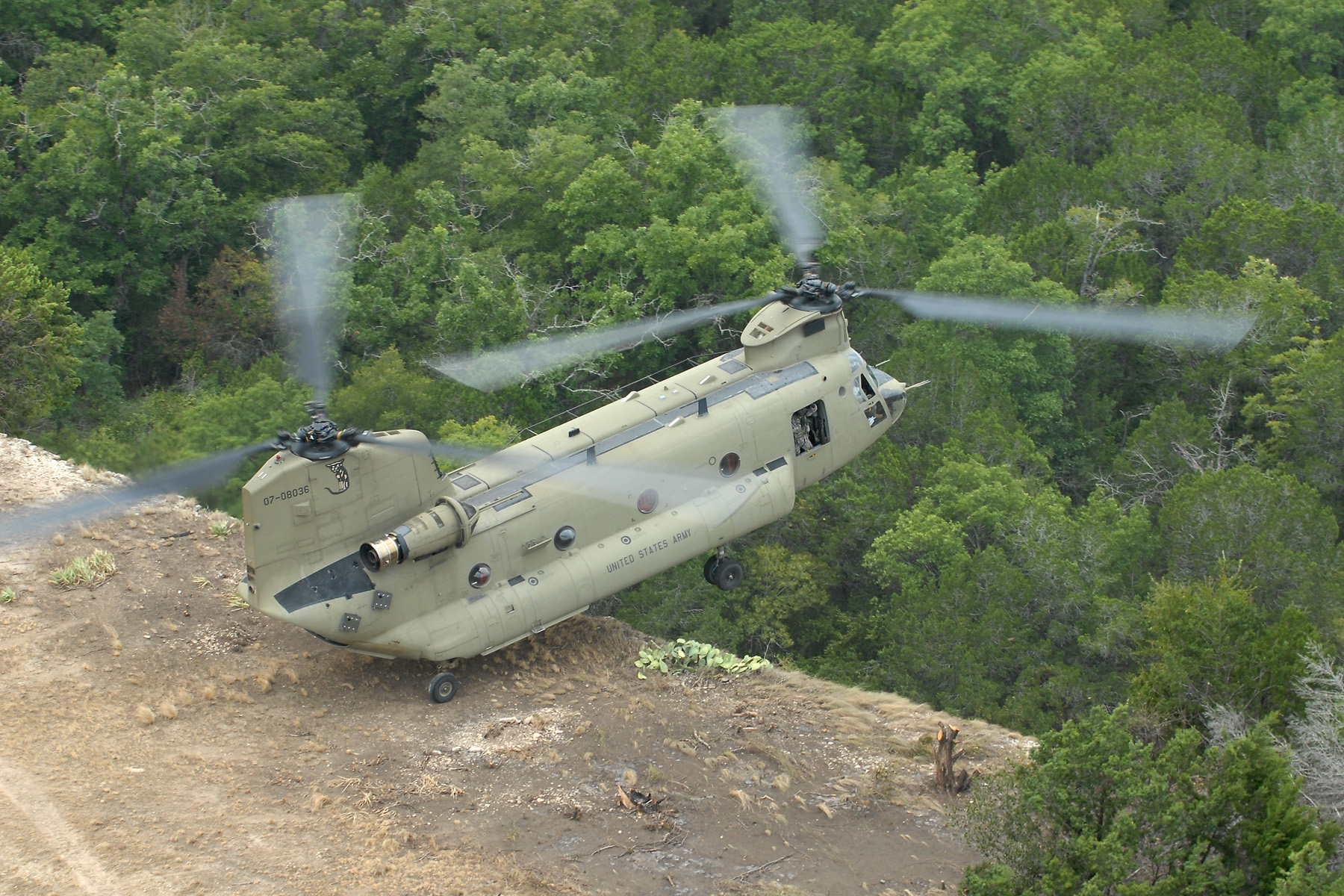
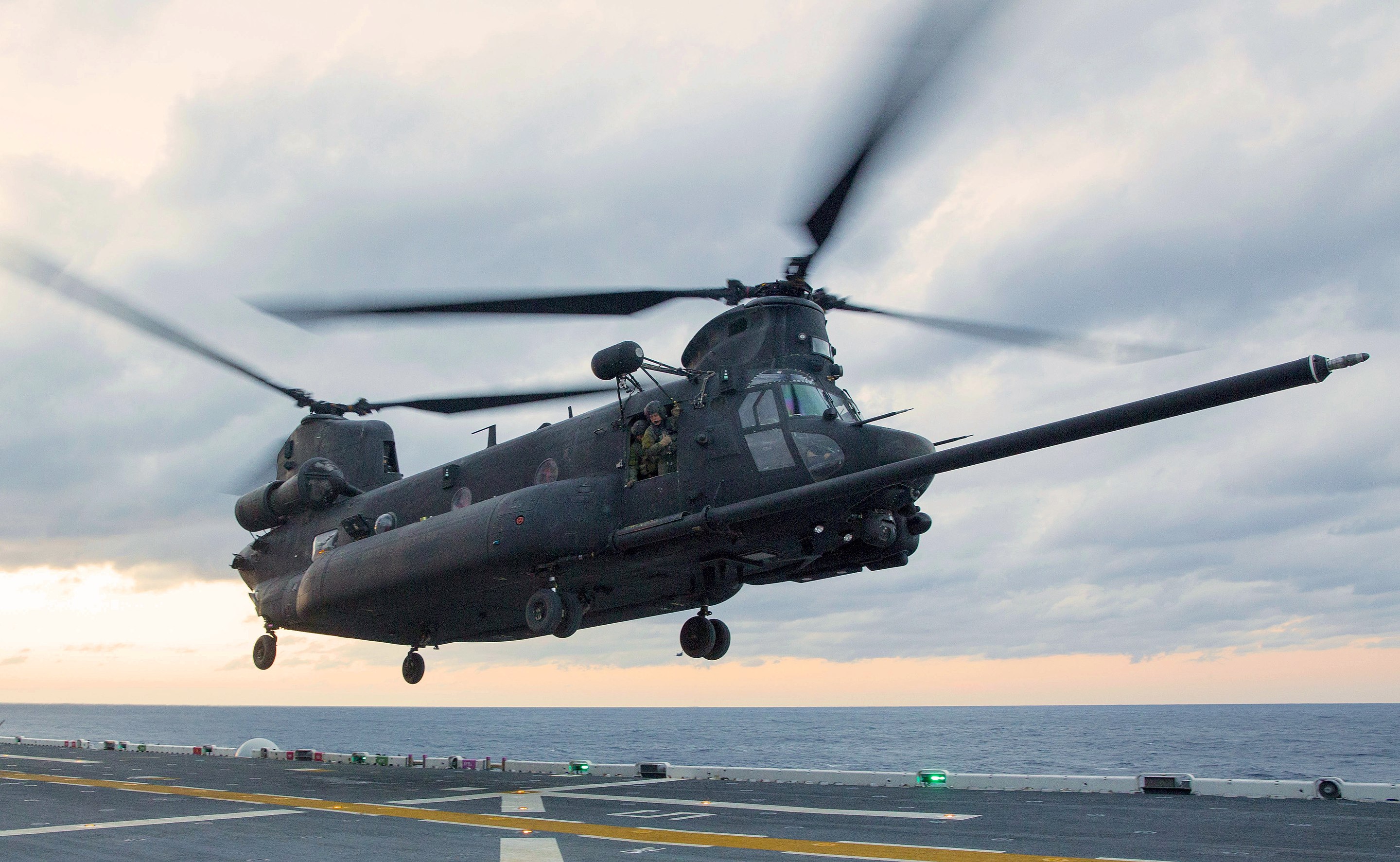
The Chinook was originally designed by Vertol, which had begun work in 1957 on a new tandem-rotor helicopter, designated as the Vertol Model 107 or V-107. Around the same time, the United States Department of the Army announced its intention to replace the piston-engine–powered Sikorsky CH-37 Mojave with a new, gas turbine–powered helicopter. During June 1958, the U.S. Army ordered a small number of V-107s from Vertol under the YHC-1A designation; following testing, some Army officials considered it to be too heavy for the assault missions and too light for transport purposes. While the YHC-1A would be improved and adopted by the U.S. Marine Corps as the CH-46 Sea Knight, the Army sought a heavier transport helicopter, and ordered an enlarged derivative of the V-107 with the Vertol designation Model 114. Initially designated as the YCH-1B, on 21 September 1961, the preproduction rotorcraft performed its maiden flight. In 1962, the HC-1B was redesignated CH-47A under the 1962 United States Tri-Service aircraft designation system.
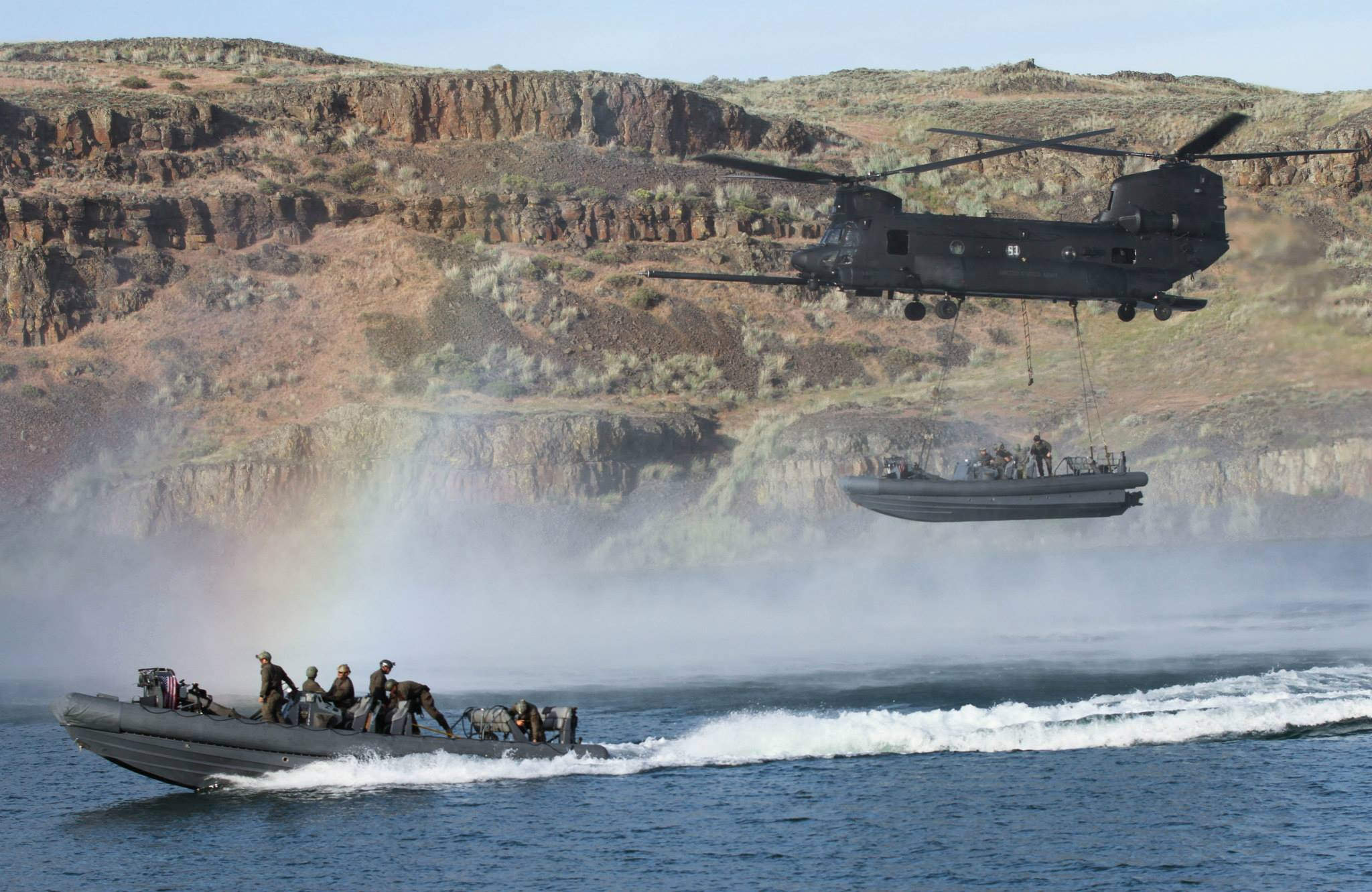
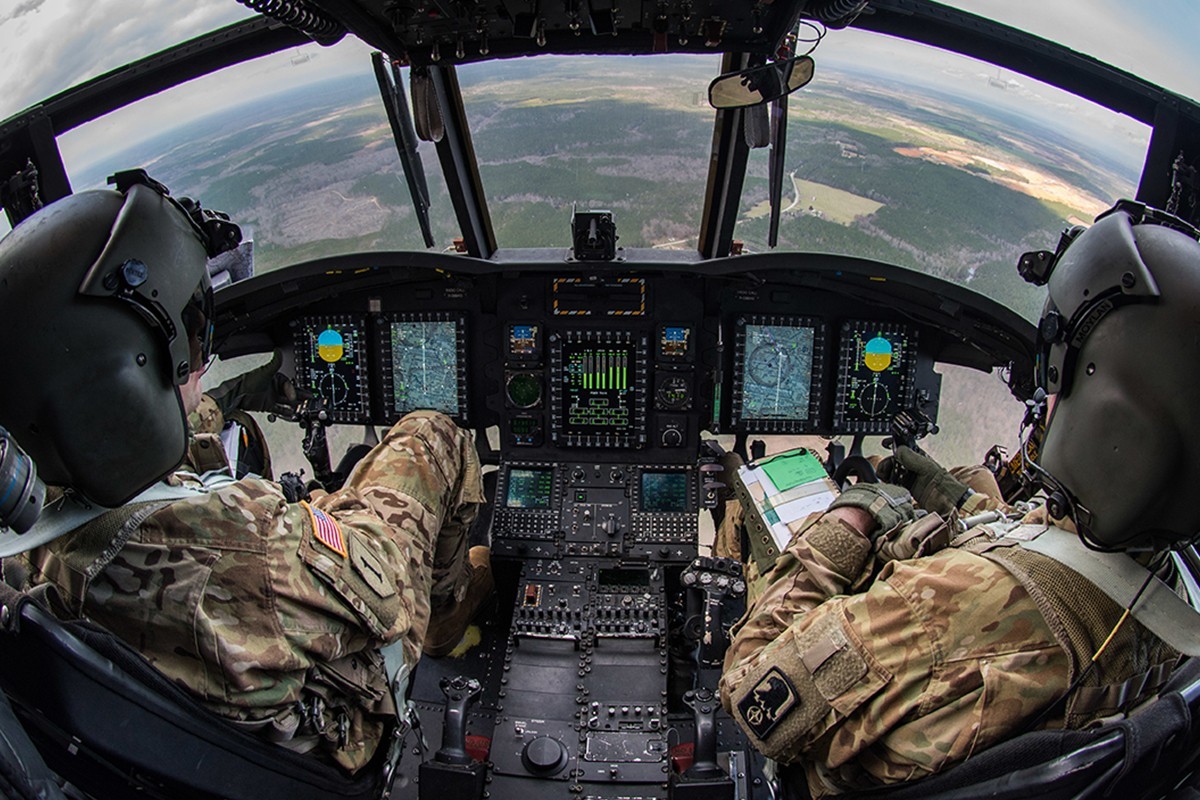
The Chinook possesses several means of loading various cargoes, including multiple doors across the fuselage, a wide loading ramp located at the rear of the fuselage and a total of three external ventral cargo hooks to carry underslung loads. Capable of a top speed of 170 knots (200 mph; 310 km/h), upon its introduction to service in 1962, the helicopter was considerably faster than contemporary 1960s utility helicopters and attack helicopters, and is still one of the fastest helicopters in the US inventory. Improved and more powerful versions of the Chinook have also been developed since its introduction; one of the most substantial variants to be produced was the CH-47D, which first entered service in 1982; improvements from the CH-47C standard included upgraded engines, composite rotor blades, a redesigned cockpit to reduce workload, improved and redundant electrical systems and avionics, and the adoption of an advanced flight control system. It remains one of the few aircraft to be developed during the early 1960s – along with the fixed-wing Lockheed C-130 Hercules cargo aircraft – that has remained in both production and frontline service for over 60 years.
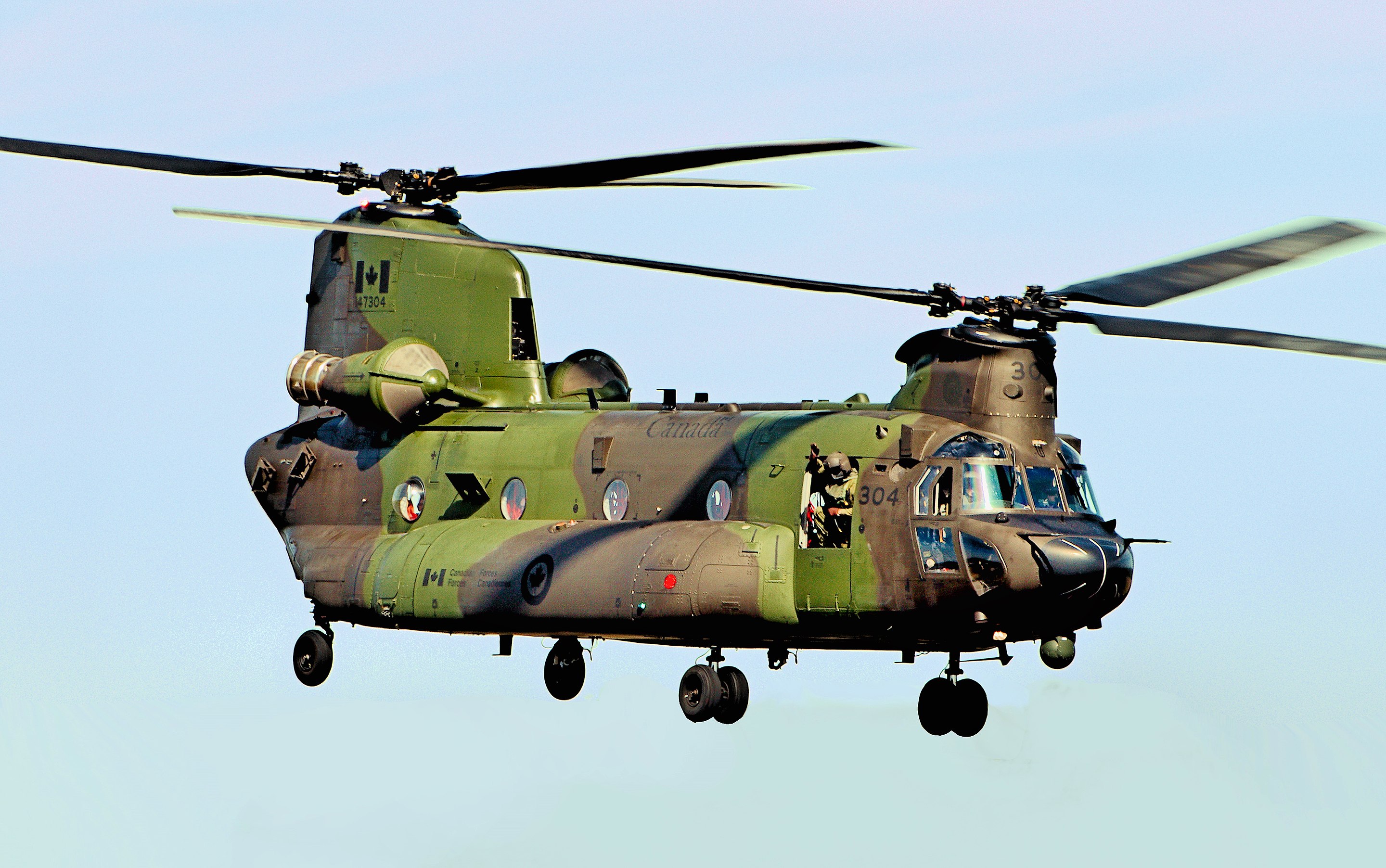
The military version of the helicopter has been exported to nations across the world; the U.S. Army and the Royal Air Force (see Boeing Chinook (UK variants)) have been its two largest users. The civilian version of the Chinook is the Boeing Vertol 234. It has been used by civil operators not only for passenger and cargo transport, but also for aerial firefighting and to support logging, construction, and oil extraction industries.