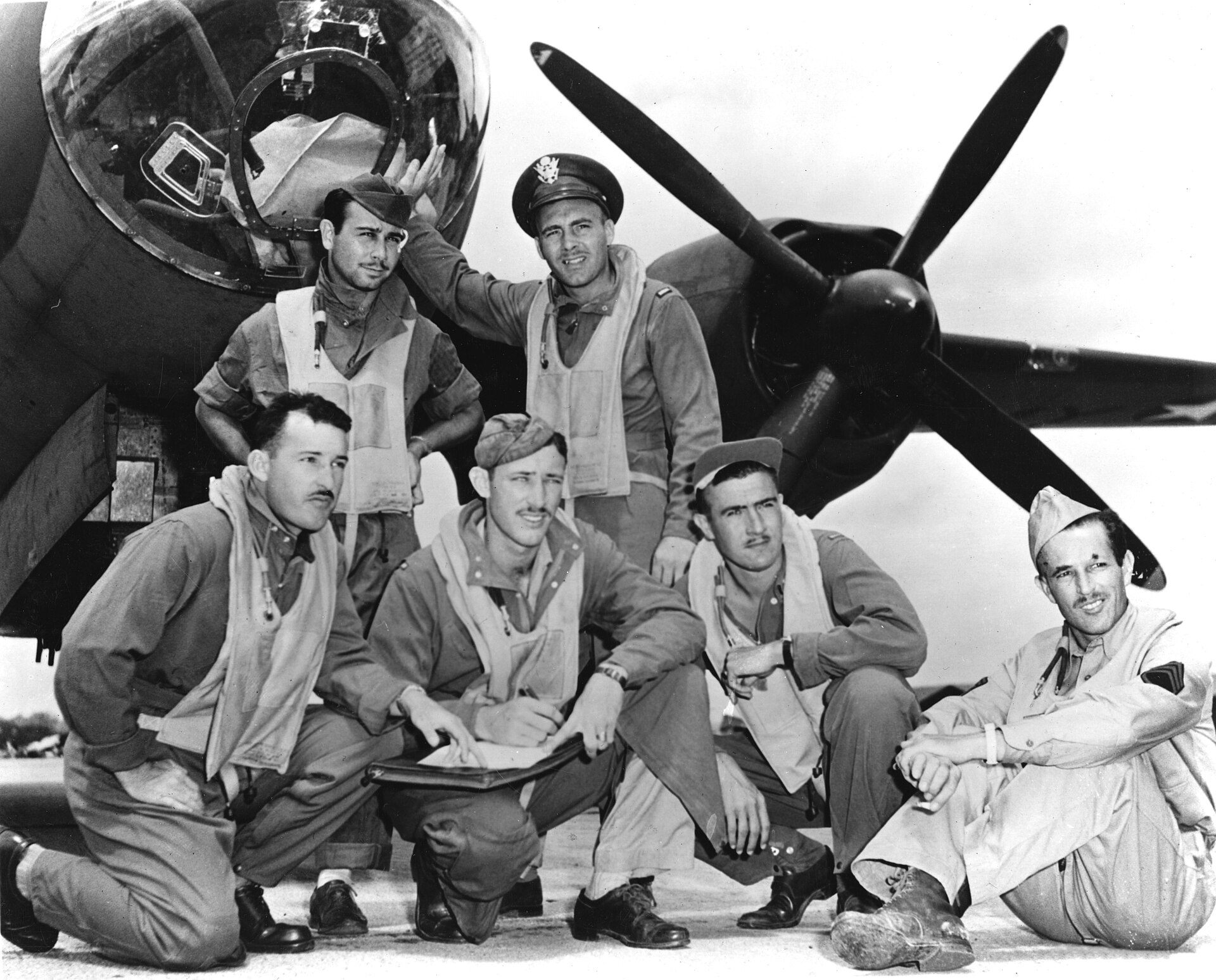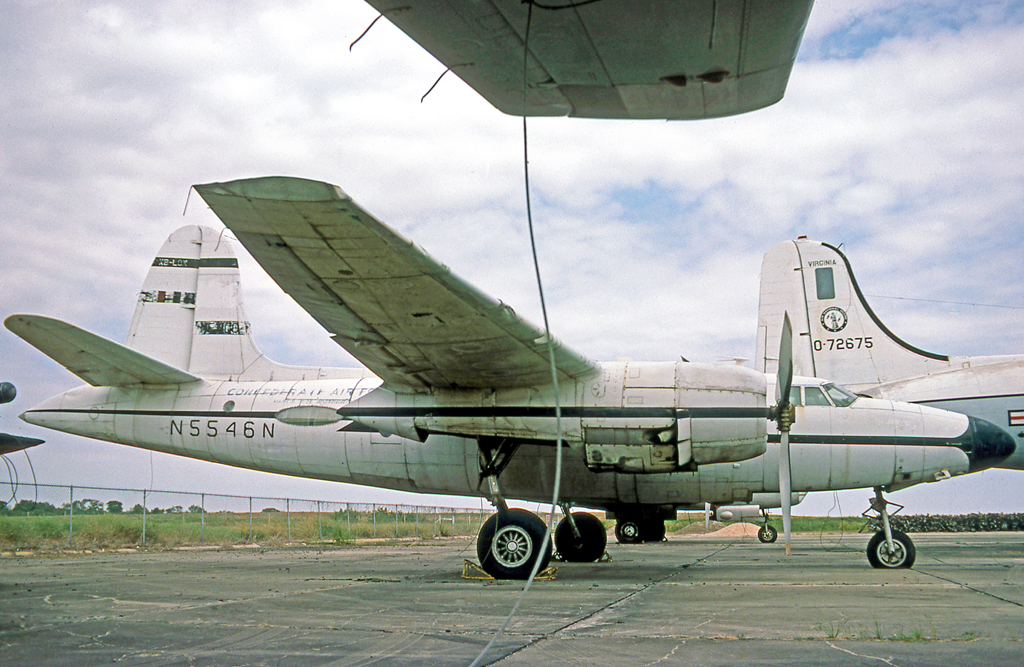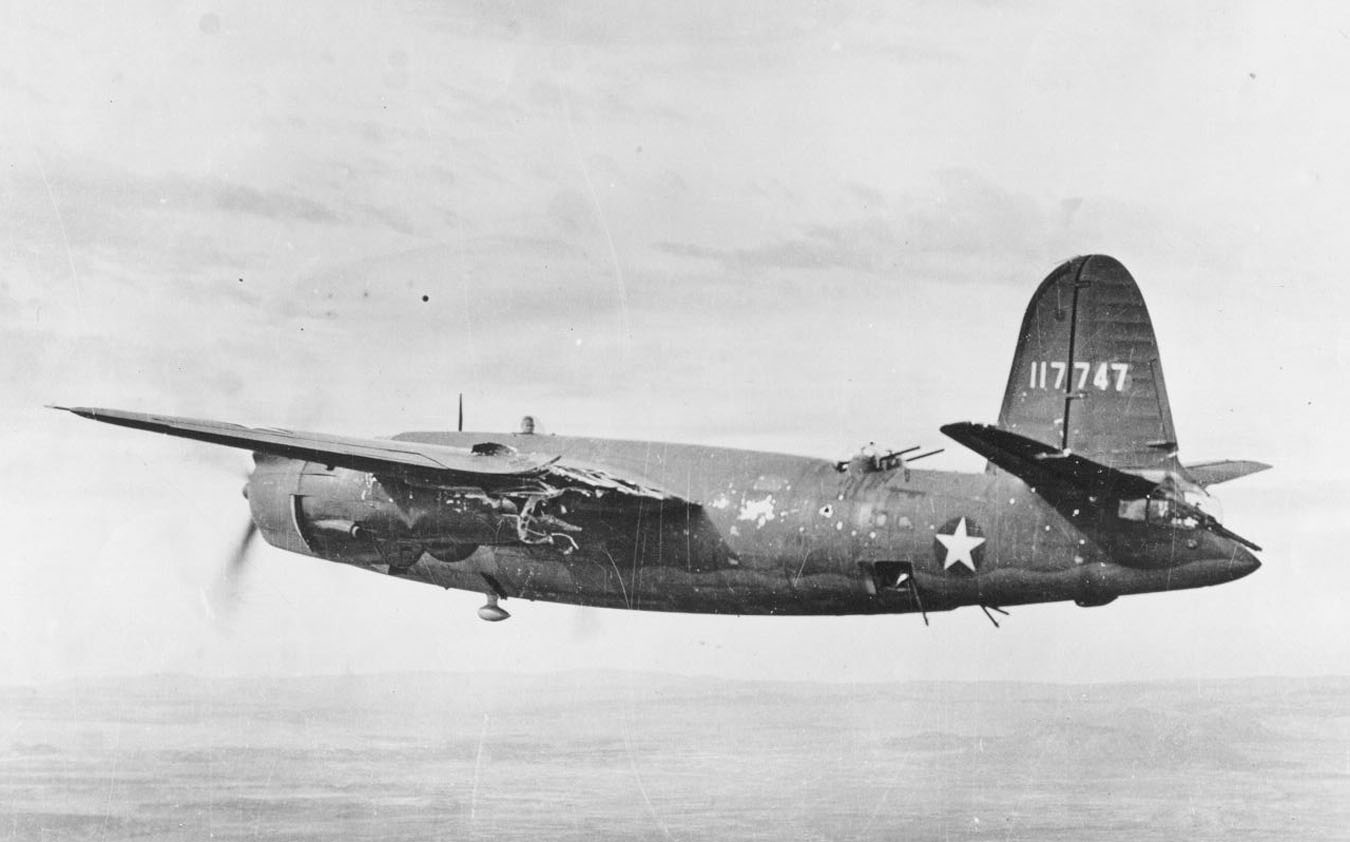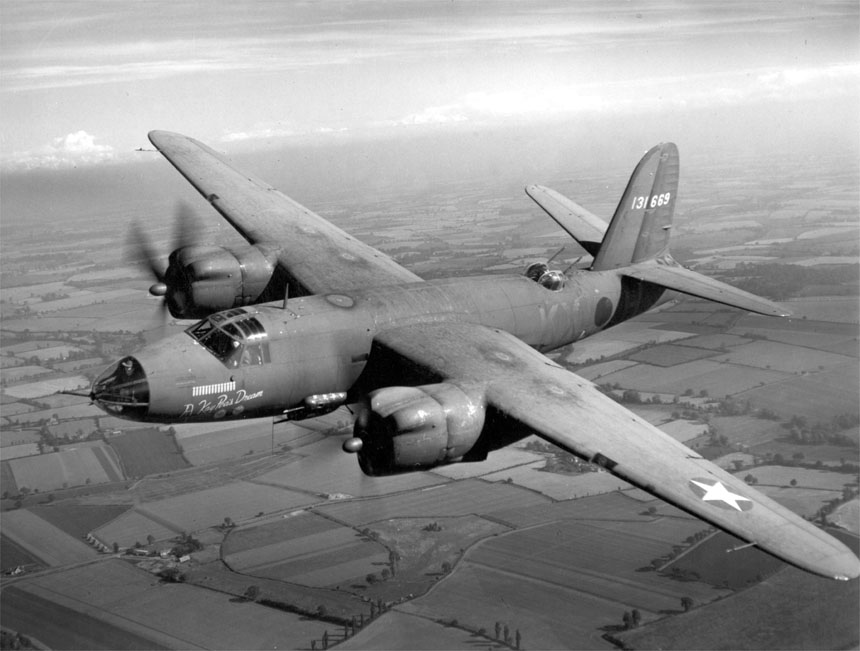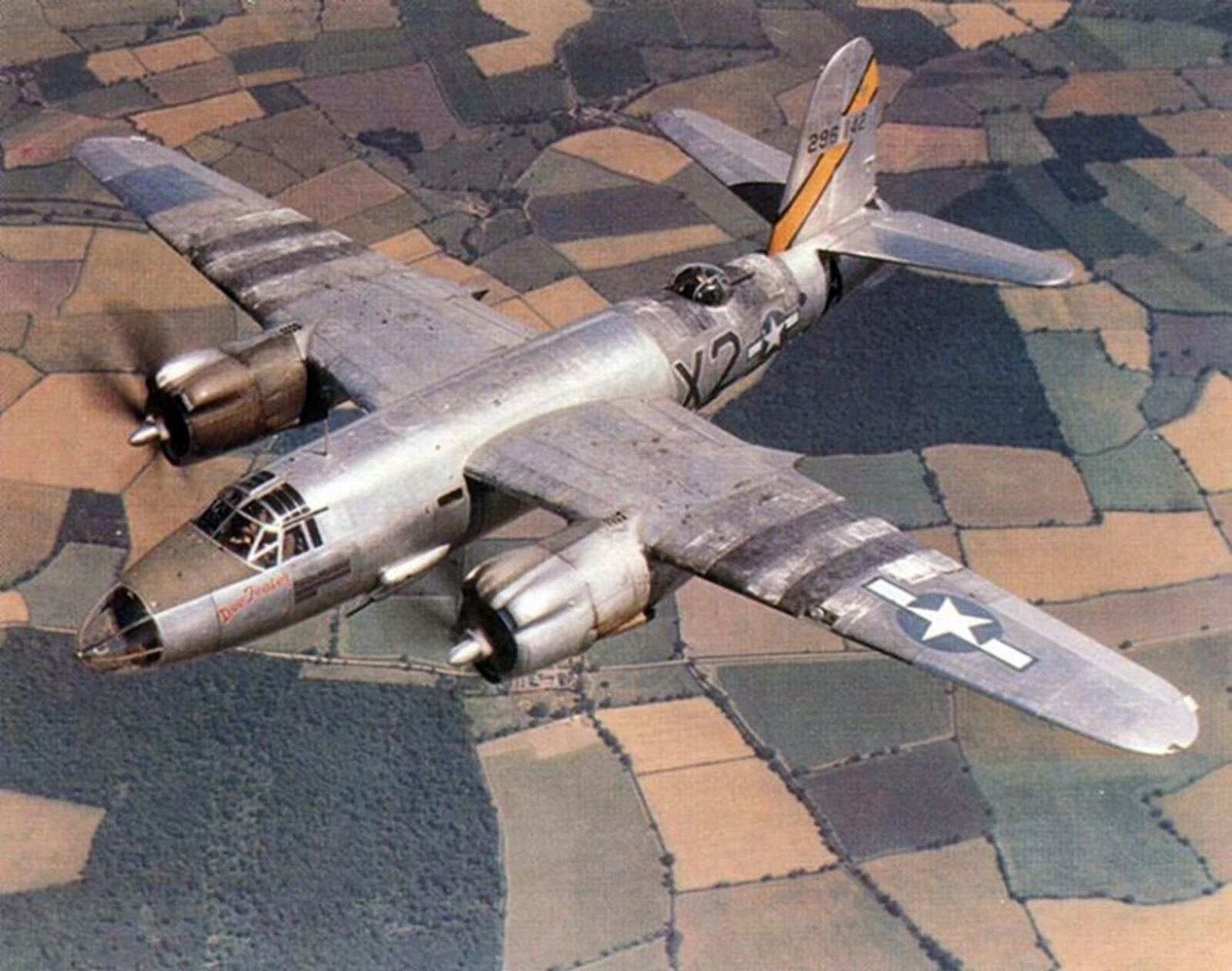
The Martin B-26 Marauder is a twin-engined medium bomber designed and produced by the American aircraft manufacturer Glenn L. Martin Company. Development of the B-26 started in 1939 in response to a United States Army Air Corps (USAAC) requirement for a new twin-engined bomber. Martin's proposal, internally designated as the Model 179, featured numerous firsts for the service, including powered turrets, self-sealing fuel tanks, and an all-plastic nose.
Martin's submission was selected as the winner; by September 1940, almost 1,000 aircraft had been ordered. On 25 November 1940, the first B-26, effectively the prototype, performed its maiden flight; three months later, deliveries of production aircraft commenced to the United States Army Air Force (USAAF). The B-26 was built at two locations: Baltimore, Maryland, and Omaha, Nebraska, by Glenn L.
Martin. In total, 5,288 aircraft were produced between February 1941 and March 1945; while the majority of B-26s were delivered to the USAAF, 522 aircraft were flown by the Royal Air Force and the South African Air Force. It saw extensive service during World War II, being first used in the Pacific Theater in early 1942.